
Can Embroidery Be Removed Safely from Fabric?
Trying to remove embroidery is like peeling a sticker off a notebook you’ve had since high school—part of you knows it belongs, but you just need a clean page again. You can scrape carefully, yes, but the glue (or in this case, thread) leaves traces. That moment when you wonder can embroidery be removed isn’t just about fabric—it’s about change, second chances, and the stubborn marks we leave behind.
Embroidery isn’t just thread on cloth—it’s commitment made visible. Once stitched, the design bonds with the fibers, making removal feel impossible. But with the right approach, you can remove stitched design without wrecking the garment. Whether you’re taking out embroidery from a uniform or undoing an outdated logo, this process turns the irreversible into repairable. Extract thread design thoughtfully, and the fabric gets a quiet reboot.
- Can Embroidery Be Removed: Is It Really Possible to Undo a Stitched Design?
- Methods to Remove Embroidery: DIY vs. Professional Solutions
- Step-by-Step Guide to Safely Remove Stitched Design at Home
- Alternatives When You Can’t Remove Embroidery Cleanly
- Common Mistakes to Avoid When Attempting Embroidery Removal
- More Information
Can Embroidery Be Removed: Is It Really Possible to Undo a Stitched Design?
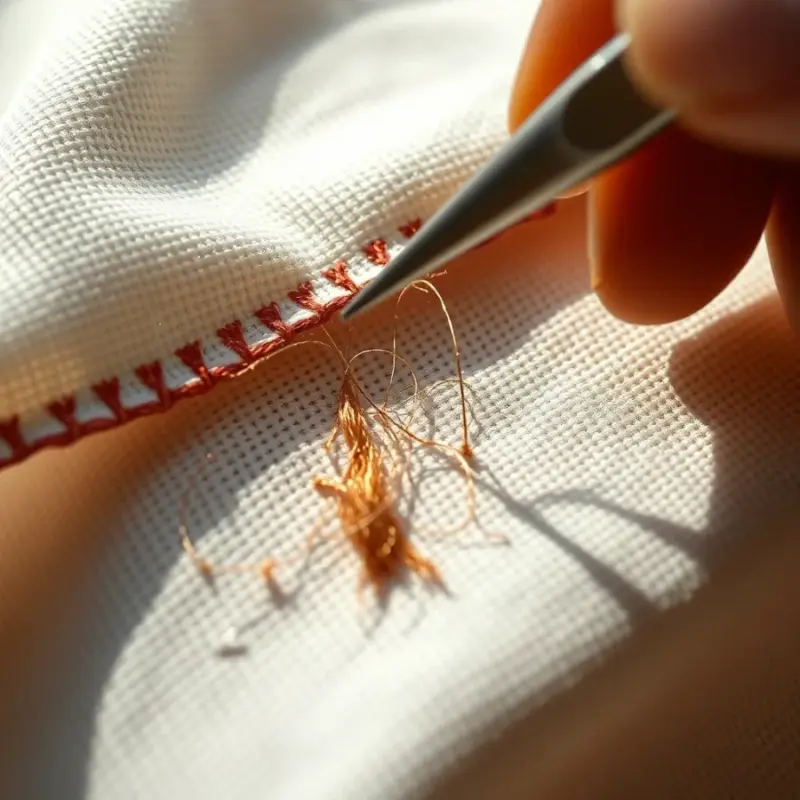
So you're staring at a shirt, jacket, or gift with an embroidered logo you no longer want — maybe it’s outdated, mismatched, or just plain embarrassing. The big question on your mind: can embroidery be removed without wrecking the fabric? The short answer is yes — but with serious caveats. Removing a stitched design isn’t like erasing pencil marks; it’s more like performing micro-surgery on fabric. Depending on the material, thread type, and stitching density, embroidery removal can range from tricky to nearly impossible without leaving a trace.
Understanding the Feasibility of Taking Out Embroidery
Not all embroidered items are created equal — and neither are their removal odds. Fabrics like cotton, denim, or canvas tend to handle embroidery removal better because they’re tightly woven and durable. Delicate materials like silk, rayon, or knits? That’s where things get dicey. The denser the stitching, the more likely you are to damage the base fabric when extracting thread design. Also, if the embroidery includes backing (like stabilizer or adhesive), residue might linger even after the threads are gone.
Another major factor is time. Older embroidery may have threads that have weakened or bonded slightly with the fabric fibers, making them brittle and prone to snapping during removal. On the flip side, newer threads might be too tightly secured, especially if done by a commercial machine. So while it’s technically possible to take out embroidery, success depends on a combo of fabric strength, stitch complexity, and your patience level. Think of it like removing wallpaper — some comes off in clean sheets, others leave glue and tears behind.
- Fabric Type: Heavy fabrics (denim, twill) tolerate removal better than silks or stretch knits
- Stitch Density: Denser designs = more holes in fabric = higher risk of damage
- Thread Quality: Synthetic threads (polyester) are tougher to cut cleanly than cotton
- Backing Material: Tear-away or cut-away stabilizers may leave residue or weaken fabric
Visible Aftermath: What Happens After You Undo Embroidered Logo?
Even if you manage to remove stitched design perfectly, the fabric rarely looks brand new afterward. Tiny pinprick holes from the needle remain — especially noticeable on smooth fabrics like dress shirts or polo knits. These micro-perforations can distort the weave and create a slightly fuzzy or pilled appearance where the embroidery once sat. In some cases, you might even see ghosting — a faint shadow of the original design due to thread dye or compression of fibers.
Then there’s the issue of color mismatch. If the original embroidery thread was darker than the fabric, the surrounding area may appear faded in comparison once the design is gone. And if you’re dealing with a logo that covered up a stain or flaw, removing it could reveal something you’d rather keep hidden. So while the physical threads can be extracted, the visual “memory” of the design often lingers. That’s why many people opt to cover rather than remove — but we’ll get into that later.
Methods to Remove Embroidery: DIY vs. Professional Solutions
When you're serious about wanting to extract thread design from clothing or accessories, your options fall into two main buckets: doing it yourself or hiring a pro. Each path has pros and cons, and your choice should depend on the item’s value, the complexity of the embroidery, and how much risk you’re willing to take. Spoiler: a $20 polo shirt is one thing — a vintage military jacket or heirloom quilt? That’s a different story.
DIY Embroidery Removal: Tools and Techniques
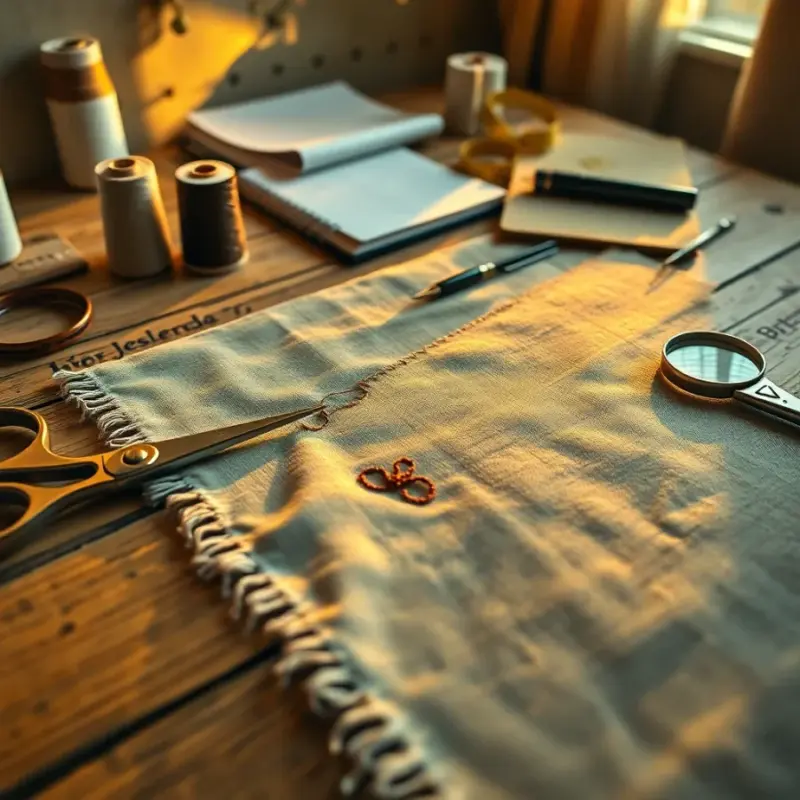
For the home handyman or craft lover, removing embroidery by hand is totally doable — if you’ve got the right tools and nerves of steel. You’ll need a sharp seam ripper, small embroidery scissors, tweezers, and a steady hand. The basic idea is to snip the top threads, gently pull them out, then deal with the underside (the bobbin threads). Work slowly from the edge of the design inward, avoiding yanking large chunks at once — that’s how tears happen.
One pro tip: place a piece of tape or a stabilizing fabric under the embroidery before cutting. This helps prevent the surrounding material from stretching or snagging. Also, use a magnifying lamp if possible — those tiny stitches are easy to miss, and cutting the wrong thread can unravel more than intended. Remember, patience is key. Rushing a DIY embroidery removal can turn a simple fix into a fabric disaster.
Professional Embroidery Removal Services: Worth the Cost?
If the item matters — say, a corporate uniform, wedding veil, or limited-edition jacket — paying a professional might be worth every penny. Pros use precision tools, sometimes even micro-lasers or steam-assisted extraction, to undo embroidered logo with minimal damage. They also know how to handle delicate fabrics and complex thread layers that would intimidate most DIYers.
But here’s the catch: professional removal isn’t cheap. Depending on size and complexity, prices in 2026 range from $25 to $150 per item. And even then, they can’t guarantee invisibility. Most reputable services will inspect the item first and give you a realistic expectation — including whether removal is advisable at all. Some will suggest alternatives like covering the design with a patch or re-embroidering over it. So while pros increase your odds, they don’t offer magic erasers.
| Method | Avg Cost (2026) | Best For | Risk Level | Time Required |
|---|---|---|---|---|
| DIY with Seam Ripper | $5–$20 (tools) | Low-value items, simple designs | High (fabric damage) | 30–90 mins |
| DIY with Electric Unpicker | $30–$60 (device) | Moderate stitch density | Medium | 20–60 mins |
| Local Tailor Service | $25–$75 | Dress shirts, uniforms | Low–Medium | 1–3 days |
| Specialty Embroidery Removal Pro | $75–$150 | Delicate fabrics, vintage items | Low | 3–7 days |
| Laser-Assisted Extraction (Emerging Tech) | $100–$200+ | Precise removal, high-value garments | Very Low | 1–2 days |
Step-by-Step Guide to Safely Remove Stitched Design at Home
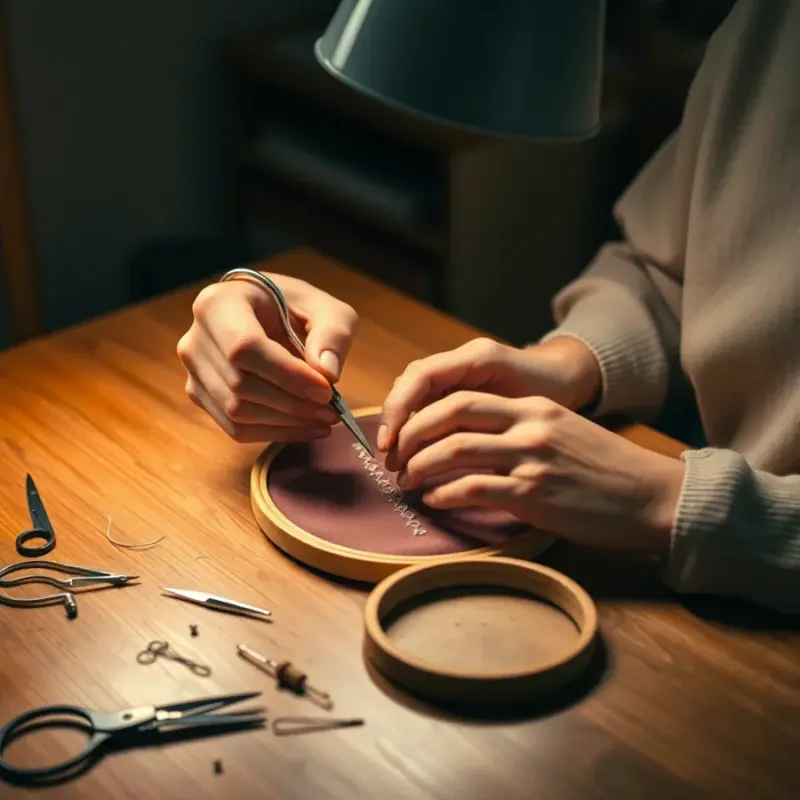
If you’ve weighed the risks and decided to take out embroidery yourself, follow this detailed process to maximize success and minimize damage. This method works best for medium-density designs on stable fabrics like cotton, canvas, or denim. Always test on a small, hidden area first — especially if you’re using solvents or heat-based tools.
Preparing Your Workspace and Tools
Before you even touch the embroidery, set up a clean, well-lit workspace. Natural light or a bright LED lamp helps you see individual threads clearly. Lay the garment flat on a firm surface — use an ironing board or cutting mat to keep it taut without stretching. Avoid working on carpet or soft surfaces that let the fabric sag.
- Gather tools: sharp seam ripper, micro-tipped scissors, tweezers, lint roller, magnifying glass (optional), masking tape, and a small container for loose threads.
- Secure the back of the embroidery with a piece of lightweight interfacing or tape to stabilize the fabric and prevent pulls.
- Flip the garment inside out and examine the bobbin threads — these are often looser and easier to snip first.
- Mark the outer edge of the embroidery with a water-soluble pen or chalk to guide your removal zone.
- Take a photo of the design for reference — in case you need to reverse-engineer any mistakes.
Executing the Embroidery Removal Process
Start by flipping the item right-side out. Use the seam ripper to gently slide under a top thread at the edge of the design. Snip one thread at a time — don’t try to cut multiple layers. Pull the thread slowly with tweezers; if it resists, check for knots or overlapping stitches. Work in small sections, moving clockwise or counterclockwise around the design. As threads come out, use the lint roller to pick up loose fibers and debris — this keeps your workspace clean and prevents re-tangling.
Once the top threads are gone, flip the item inside out again to deal with the bobbin threads. These are usually shorter and easier to remove. Gently tug them out with tweezers. After all threads are extracted, inspect the area for leftover fragments — even tiny pieces can cause irritation or snagging later. If there’s residue from backing material, dab it with a small amount of rubbing alcohol on a cotton swab. Avoid scrubbing. Finally, lightly press the area with a cool iron (using a pressing cloth) to smooth out any puckering — but never apply steam directly to the removal zone.
Alternatives When You Can’t Remove Embroidery Cleanly
Sometimes, the answer to “can embroidery be removed?” is “not without ruining the item.” In those cases, it’s smarter to embrace creative alternatives than risk a tear or hole. The goal isn’t always complete erasure — sometimes, it’s about transformation. Whether it’s a promotional polo with a faded brand logo or a gift with an unwanted monogram, there are clever ways to repurpose or conceal embroidery without removal.
Covering the Embroidered Logo with Patches or Fabric Paint
One of the safest and most stylish fixes is covering the design with a patch. Choose a fabric patch that matches the garment’s texture and color — or go bold with a contrasting design for a streetwear vibe. Iron-on patches are convenient, but sewn ones last longer and look more professional. Position the patch slightly larger than the embroidery to fully hide it, then stitch around the edges by hand or machine.
If patches aren’t your style, try fabric paint or markers. After lightly sanding the embroidered area (yes, really — use fine-grit sandpaper to flatten raised threads), apply multiple thin layers of opaque fabric paint. Let each layer dry completely. This won’t make the fabric perfectly smooth, but it can disguise the logo effectively. For logos on bags or jackets, consider adding decorative embroidery over the old design — turning a problem into a feature.
Repurposing Embroidered Items into New Projects
Instead of fighting the embroidery, work with it. Turn a shirt with an unwanted logo into a tote bag, apron, or quilt square. Cut around the embroidered section and use it as a decorative element in a larger craft project. Denim jackets with logos can become upcycled art pieces when combined with other vintage patches or paint.
This approach is especially popular in 2026’s sustainable fashion movement. Rather than discarding clothing over a small flaw or outdated design, people are reimagining garments. TikTok and Instagram are full of DIYers turning “embroidery fails” into statement pieces. So if extract thread design seems too risky, ask yourself: can I transform it instead?
Common Mistakes to Avoid When Attempting Embroidery Removal
Even with the best intentions, people make mistakes that turn a simple fix into a permanent wardrobe casualty. Knowing what *not* to do is just as important as knowing the right steps. These errors are especially common among first-timers who underestimate how delicate the embroidery removal process really is.
Rushing the Process or Using Dull Tools
The number one mistake? Impatience. Trying to speed through by cutting large sections of thread or yanking clusters out at once leads to torn fabric and jagged edges. Dull tools make it worse — a blunt seam ripper crushes fibers instead of slicing cleanly, increasing the chance of snags. Always use sharp, precision tools and work one stitch at a time. Set aside enough time so you’re not tempted to rush.
Another issue is using the wrong tool for the job. Regular scissors are too bulky for tight spaces. Nail clippers? A viral hack, but they crush threads and can slip, damaging the fabric. Stick to embroidery-specific tools: micro-scissors, pointed tweezers, and a quality seam ripper with a guarded tip.
Ignoring Fabric Care Labels and Heat Settings
Many forget to check the garment’s care label before starting. Some fabrics, like acetate or spandex blends, degrade under tension or heat. Pressing a hot iron on a removal area without a pressing cloth can melt synthetic fibers or set thread residue permanently. Always use the lowest effective heat and test on a hidden seam first.
Similarly, avoid using chemical solvents unless you’re certain of the fabric composition. Acetone might dissolve thread, but it can also eat through dyes or weaken fibers. Stick to mild solutions like rubbing alcohol for residue, and always spot-test first.
More Information
How do I remove embroidery from a shirt without damaging the fabric?
You can carefully remove stitched design by using a seam ripper to slice the threads, then gently lifting them away to take out embroidery cleanly and minimize fabric damage.
Is it possible to undo an embroidered logo from a hat?
Yes, you can undo embroidered logo from a hat by working slowly around the design with tweezers and a seam ripper to extract thread design without tearing the material.
What tools are needed for embroidery removal on delicate fabrics?
For safe embroidery removal on delicate fabrics, use a fine seam ripper, small scissors, and tweezers to precisely take out embroidery while protecting the surrounding threads.
Can I reverse machine embroidery on a jacket?
Absolutely, you can remove stitched design from a jacket by methodically cutting and extracting thread design with patience to ensure a smooth finish after embroidery removal.
Leave a Reply