
What Is DMC Embroidery Floss? A Complete Guide
If you've been stitching for a while, you know the frustration of thread that frays, fades, or just doesn’t glide through the fabric. You’ve probably held a skein that felt off, wondering if it was you or the material. Chances are, you’ve already reached for dmc embroidery floss without even realizing how much it shapes your results.
It’s not just another embroidery thread—this cotton floss set the standard for color consistency and durability that most brands still chase. Most people don’t realize how much the right DMC thread affects tension, sheen, and even the emotional weight of a piece. Whether you're making embroidery floss bracelets or matching a vintage pattern, the DMC color chart is your quiet ally. This is embroidery yarn that earns its reputation, one strand at a time.
What Is DMC Embroidery Floss and Why Is It the Gold Standard for Stitchers?
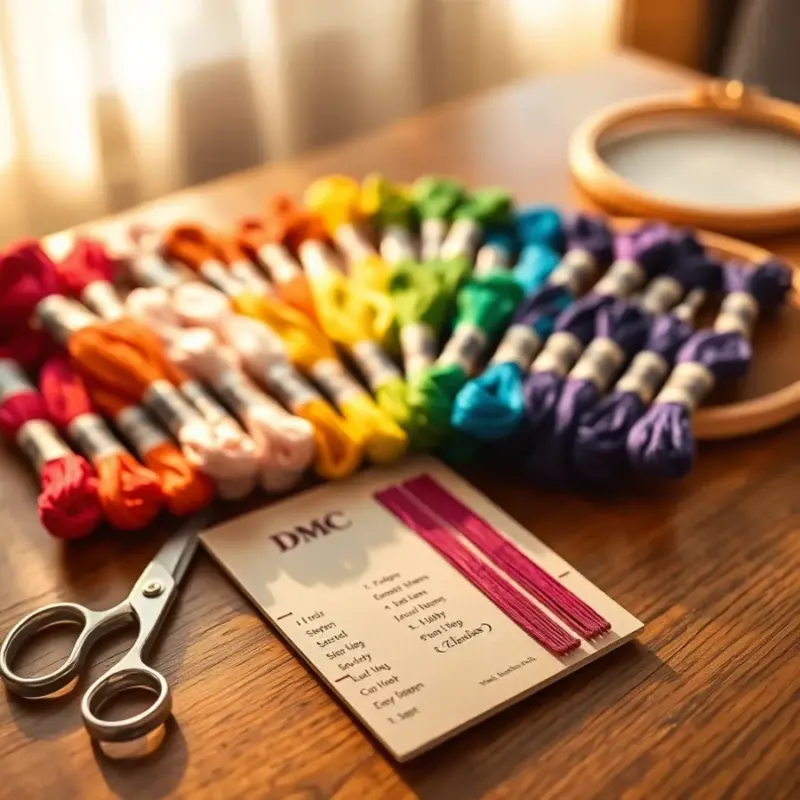
When crafters search for high-quality materials to bring textile art to life, dmc embroidery floss consistently emerges as the top choice. Known for its brilliant colors, consistent texture, and exceptional durability, this cotton thread has become a benchmark in hand embroidery, cross-stitch, and decorative stitching. Manufactured by the French company DMC (Dollfus-Mieg et Compagnie), established in 1746, this embroidery thread has evolved into a global staple, trusted by beginners and professionals alike. Its dominance in the market stems from rigorous quality control, colorfastness, and a vast library of standardized shades.
Composition and Structure of Cotton Floss
At its core, DMC thread is made from 100% long-staple Egyptian cotton, mercerized to enhance sheen, strength, and resistance to fraying. Mercerization involves treating the cotton with a caustic solution under tension, which also improves dye absorption. This process results in a smooth, lustrous finish that gives embroidery projects a polished, professional appearance. The thread is composed of six separate, loosely twisted strands, allowing users to separate them based on desired thickness — a feature essential for achieving varied textures and stitch densities.
The six-strand design offers flexibility across different fabric counts and stitch types. For example, finer details on 18-count Aida cloth typically use two or three strands, while bold patterns on linen may employ all six. This modularity makes embroidery thread versatile across techniques such as satin stitch, backstitch, French knots, and more. Additionally, the cotton composition ensures breathability and minimal shrinkage, critical for long-term preservation of stitched artwork.
- Mercerized cotton: Provides a durable, silky finish that resists fading and abrasion
- Six-strand separability: Enables customization of thread thickness for different effects
- Colorfastness: Certified to withstand washing and sunlight exposure without bleeding
- OEKO-TEX® certified: Confirms the absence of harmful substances in the dyeing process
Color Range and the DMC Embroidery Floss Color Chart
One of the most compelling reasons for the brand’s dominance is its comprehensive color palette. The official dmc embroidery floss color chart includes over 450 distinct hues, each assigned a unique numerical code (e.g., 310 for “Carnation,” 931 for “Very Dark Navy Blue”). This standardized system allows for precise color matching across global projects, patterns, and retailers. Designers and pattern makers universally reference DMC numbers, making it easy for stitchers to source the correct shade regardless of location.
The color spectrum spans from vibrant primaries to subtle earth tones, metallics, and variegated blends. Seasonal collections and limited-edition releases in 2026 continue to expand the palette, catering to modern design trends such as bohemian motifs, botanical themes, and minimalist aesthetics. Digital tools like DMC’s online color converter and mobile app further simplify the process of identifying equivalent shades when substituting threads or translating photos into stitchable designs.
| Color Name | DMC Number | Color Family | Common Use Case |
|---|---|---|---|
| Bright Red | 321 | Red | Floral accents, bold outlines |
| Dark Cornsilk | 779 | Beige | Skin tones, neutral backgrounds |
| Peacock Blue | 938 | Blue-Green | Feathers, water elements |
| Very Dark Plum | 815 | Purple | Shading, depth in floral designs |
| White | 700 | White | Highlights, backgrounds, lettering |
Where and How to Buy Embroidery Threads DMC in 2026
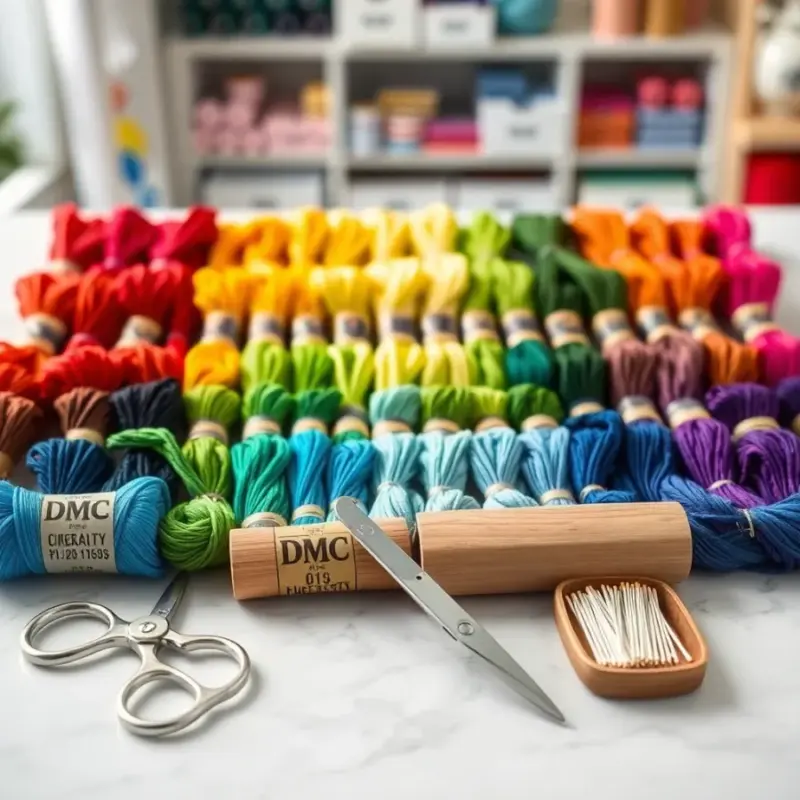
Finding authentic embroidery threads dmc has never been easier, thanks to a robust network of online and physical retailers. Whether you're stocking up on basics or hunting for rare shades, knowing where to shop ensures access to genuine products, competitive pricing, and reliable shipping. In 2026, the market includes everything from global e-commerce platforms to niche craft boutiques offering curated bundles and seasonal kits. However, counterfeit threads remain a concern, particularly on third-party marketplaces, so verifying seller authenticity is essential.
Top Retailers and Online Marketplaces
Major craft chains such as Michaels, Joann, and Hobby Lobby carry extensive DMC sections, often featuring promotional bundles and seasonal displays. These stores also offer in-store pickup and loyalty rewards, making them ideal for immediate project needs. Internationally, retailers like Spotlight (Australia), Sewing Quarter (UK), and Cultura (France) maintain strong DMC inventories. Online, Amazon and Etsy host numerous authorized resellers, though buyers should check for “Sold by” labels indicating official distribution partnerships.
For maximum selection, DMC’s official website (dmc.com) provides direct access to full product lines, including limited-edition releases and discontinued colors available through specialty vendors. Independent embroidery shops on platforms like Creative Fabrica and Payhip also integrate DMC color codes into digital patterns, often linking directly to recommended thread kits. Subscribing to newsletters from these retailers can provide early access to sales, such as the annual "Stitch & Save" event in March 2026, which offers discounts on thread assortments and storage solutions.
Pricing, Bundles, and Value Options
Individual skeins of DMC thread typically retail between $0.59 and $0.89 USD, depending on region and vendor. While this seems affordable, costs can accumulate for large-scale projects requiring dozens of colors. To optimize value, many stitchers opt for pre-sorted bundles. Popular options include the “Starter Pack” (25 essential colors), “Rainbow Set” (36 vibrant hues), and “Neutral Palette” (18 earth tones), which often save 15–30% compared to individual purchases.
In 2026, subscription boxes like “Stitch Crate” and “Thread monthly” have surged in popularity, delivering themed DMC color sets paired with patterns and tools. These services appeal to hobbyists seeking curated inspiration and cost-effective discovery. Additionally, craft fairs and maker markets frequently feature vendors selling custom floss cards and hand-dyed variations compatible with standard DMC codes. For budget-conscious crafters, purchasing bulk spools (50-meter rolls) reduces waste and is ideal for large backstitches or continuous lettering.
| Product Type | Approx. Price (USD) | Number of Colors | Best For |
|---|---|---|---|
| Single Skein | $0.69 | 1 | Replacement or rare color needs |
| Starter Pack | $14.99 | 25 | Beginners, small projects |
| Rainbow Assortment | $29.99 | 36 | Colorful designs, gift giving |
| Bulk Spool (50m) | $4.50 | 1 | Large text, borders, or backstitching |
| Subscription Box (Monthly) | $32.00 | 6–10 | Collectors, seasonal themes |
How to Use and Care for Embroidery Floss: Best Practices for Long-Lasting Projects
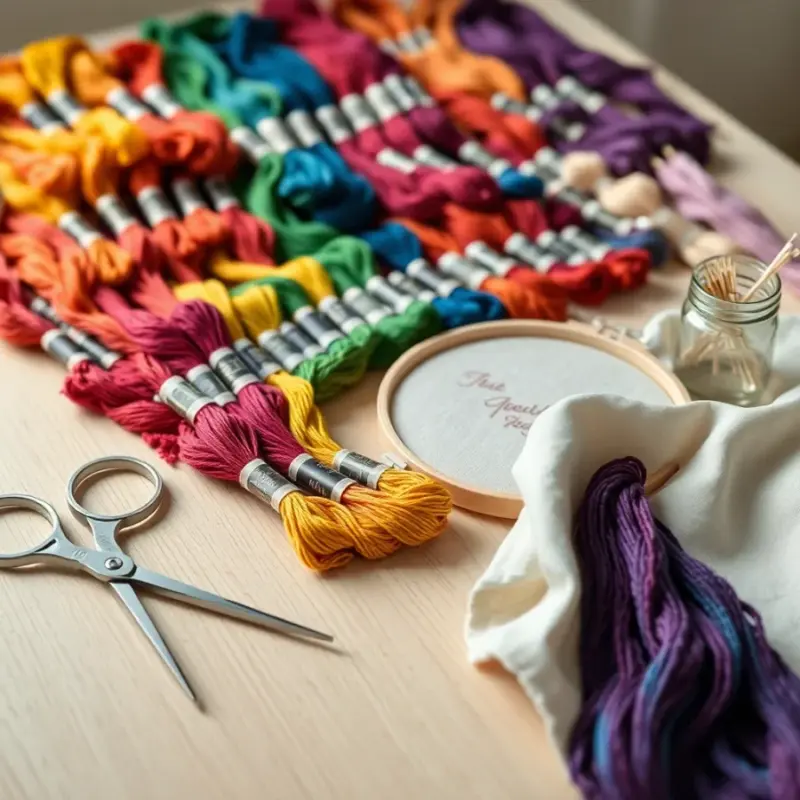
Even the highest-quality cotton floss requires proper handling to maintain its integrity and visual appeal. From thread preparation to washing finished pieces, small steps make a significant difference in the longevity and professionalism of embroidered art. Whether creating heirloom samplers, personalized gifts, or modern wall hangings, understanding how to work with and preserve stitching thread ensures vibrant results for years to come.
Preparing and Separating Embroidery Yarn
Before stitching, it’s crucial to separate the six strands according to project requirements. To prevent tangling, pull one strand at a time from the top of the skein rather than cutting directly from the bundle. Lay the extracted thread flat on a table to check for twists, then gently smooth it between fingers or use a thread conditioner like Thread Heaven to reduce static and friction. This step minimizes knotting during stitching and ensures even tension across the design.
- Cut a working length of 18–24 inches to prevent fraying and manageability issues
- Hold the skein taut and carefully separate one strand upward from the rest
- Smooth the strand with fingers or a lint roller to remove kinks
- Thread the needle with the desired number of strands (commonly 2–3 for detail work)
- Use a laying tool for satin stitches to align strands uniformly for maximum sheen
Washing and Preserving Finished Embroidery
Once a project is complete, proper cleaning removes oils from hands and stabilizes the fabric. Always use cold water and a mild, pH-neutral detergent such as Soak or Woolite. Submerge the piece gently, avoiding agitation, and soak for no more than 15 minutes. Rinse thoroughly with cold water until the runoff is clear. Never wring or twist the embroidery; instead, press out excess moisture with a clean towel and lay flat to dry, face up, on a drying rack or mesh screen.
For long-term preservation, store finished works away from direct sunlight and humidity. Framed pieces should use UV-protective glass to prevent fading of embroidery floss bracelets or wall art. Unstitched skeins should remain in their original packaging or be organized in labeled plastic cases to avoid dust and color transfer. If ironing is needed, place a pressing cloth over the stitching and use a low-heat setting to avoid melting or flattening the texture of the thread.
- Color bleeding test: Always test a small thread snippet in water before washing a finished piece
- Avoid fabric softeners: They can coat fibers and dull the sheen of mercerized cotton
- Use acid-free tissue paper when storing: Prevents yellowing of white or light-colored floss
- Rotate display locations: Minimizes uneven exposure to light for frequently exhibited works
Creative Applications: Beyond Traditional Embroidery
While dmc embroidery floss is synonymous with needlework, its applications extend far beyond fabric. In 2026, crafters are reimagining this versatile medium in jewelry, home décor, and even fiber art installations. The thread’s strength, color variety, and tactile appeal make it ideal for mixed-media projects that blend tradition with innovation. From classroom activities to high-end design, the adaptability of embroidery yarn continues to inspire new creative frontiers.
DIY Embroidery Floss Bracelets and Friendship Bands
One of the most popular non-traditional uses is in crafting embroidery floss bracelets, often made using macramé knots or French braiding techniques. These colorful accessories are inexpensive, customizable, and widely shared among youth and craft communities. Patterns range from simple single-color bands to intricate rainbow paracord-style designs with lettering or charms. Tutorials on YouTube and Pinterest have fueled a resurgence in this nostalgic craft, with over 2.3 million searches for “floss bracelet patterns” in early 2026.
To make a basic braided bracelet, three strands of different colors are taped at one end and braided tightly until reaching wrist length. The ends are secured with knots and trimmed or embellished with beads. Waterproof finishes like clear nail polish or fabric glue prevent fraying. Schools and summer camps often incorporate these projects into STEAM programs to teach pattern recognition, symmetry, and fine motor skills, using stitching thread for its safety and accessibility.
Home Décor and Fiber Art Projects
Artists are increasingly using embroidery thread in large-scale installations, wall hangings, and 3D textile sculptures. By combining DMC floss with embroidery hoops, dowels, or wooden frames, creators produce textured art pieces that play with light and shadow. Techniques like yarn wrapping, tassel making, and punch needling integrate seamlessly with traditional embroidery, expanding the visual language of thread-based media.
In interior design, DMC colors are matched to room palettes for cohesive décor elements. For example, a living room with sage green accents might feature a handmade tassel garland using DMC 902 and 905. Similarly, custom monogrammed towels or napkins stitched with DMC thread add a personalized touch to gifts and hospitality settings. The precision of the dmc embroidery floss color chart ensures exact matches to paint swatches or fabric samples, a feature increasingly leveraged by professional stylists and DIY influencers.
More Information
What is the best brand of embroidery thread for beginners?
DMC is widely regarded as the top choice for beginners due to its consistent quality and wide availability. Embroidery thread from DMC is colorfast, 100% cotton, and easy to separate, making it ideal for learning basic stitches.
How many strands come in a skein of DMC embroidery floss?
A standard skein of cotton floss contains six separate strands, which can be divided for different thicknesses. Most embroidery patterns specify how many strands to use for precise results.
Where can I find a complete list of DMC thread colors?
You can view all available shades using the DMC embroidery floss color chart, which displays every hue with corresponding numbers. This reference is essential for selecting the right stitching thread for your project.
Can I use DMC thread for making bracelets and other crafts?
Absolutely, many crafters use embroidery threads DMC to create colorful friendship bracelets and decorative items. The vibrant, durable embroidery yarn works well for handcrafted accessories.
Leave a Reply