
Custom Embroidery Patches: What You Need to Know
Over 42 million custom embroidery patches were produced in the U.S. last year alone—enough to cover the surface of 18 football fields. This isn’t just a niche craft trend; it means that personalized sew-on patches are quietly reshaping how individuals and organizations express identity, from fire departments to fashion startups. If you’ve ever worn a badge, jacket, or cap with meaning stitched in thread, you’ve taken part in this quiet revolution.
Behind every embroidered patch lies a story of belonging, pride, or branding—woven name patches on uniforms, iron-on embroidered labels in streetwear, custom hat embroidery at music festivals. These small textiles are no longer reserved for military gear or scout sashes; they’re tools of modern narrative. Custom sewn patches turn fabric into legacy. Embroidery is identity, sewn by machine.
What Are Custom Embroidery Patches and Why Are They Still Relevant in 2026?
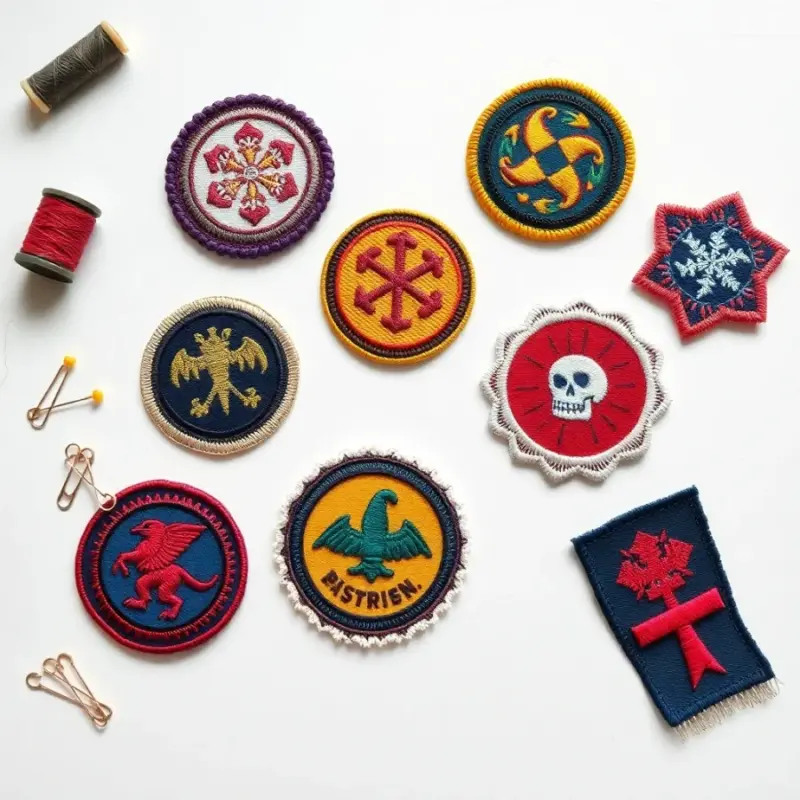
In an era where digital branding dominates, custom embroidery patches remain a tactile, enduring symbol of identity, professionalism, and craftsmanship. These small fabric badges—whether sewn onto uniforms, jackets, or hats—offer a three-dimensional texture that printed logos can’t replicate. From corporate teams to motorcycle clubs, schools, and fashion labels, personalized sew-on patches serve as badges of belonging, achievement, or brand distinction. Their continued relevance in 2026 lies not just in tradition, but in their adaptability to modern design needs and mass customization trends fueled by on-demand manufacturing.
The Anatomy of an Embroidered Patch
Every embroidered patch is more than thread on fabric—it’s a composite of materials and techniques working in harmony. At its core, a typical patch includes a base fabric (often twill, felt, or taffeta), stabilizing backing (such as heat-activated adhesive or sew-in mesh), and intricately stitched threads made from rayon, polyester, or cotton. The design is digitized into a stitch map, guiding embroidery machines to lay thread with precision. The border may be finished with a merrowed edge, die-cut contour, or heat-sealed perimeter, each offering different aesthetics and durability. These details determine not only how the patch looks, but how it performs when exposed to washing, friction, or outdoor conditions.
One often overlooked aspect is the role of underlay stitches—tiny foundational threads laid before the visible design. These stabilize the fabric, prevent puckering, and ensure crisp lettering, especially in complex logos. For example, small text in a woven name patch requires dense underlays to avoid blurring. Likewise, color transitions and gradients are achieved through strategic thread layering, not ink blending. This makes each embroidery patch a miniature textile artwork, where engineering and artistry intersect.
- Merrowed border: A tightly overlocked edge that prevents fraying and gives a professional, stitched look common in military and uniform patches
- Die-cut edge: Precision-cut to follow the shape of the design, ideal for organic shapes like animals or logos with curves
- Heat-seal backing: Allows for quick application via iron or heat press, popular in DIY and retail customization
- Chenille: A raised, fuzzy texture created with looped yarn, often used in varsity-style patches for a retro, collegiate feel
Different Types of Custom Sewn Patches and Their Best Uses
Not all patches are created equal. The choice of patch type affects durability, visual impact, and application method. Woven name patches, for instance, use ultra-fine threads to render intricate details and small fonts, making them ideal for employee identification or military insignia. In contrast, embroidered patches offer bolder textures and richer color saturation, preferred for logos with fewer details but higher visibility. Then there are iron-on embroidered labels, which appeal to consumers wanting quick customization without sewing skills—perfect for personalizing backpacks or youth apparel.
Another growing category is custom hat embroidery, where patches or direct-stitch embroidery personalize caps for brands, events, or fan merchandise. In 2026, many companies opt for sublimated patches fused with embroidery for photorealistic elements like faces or landscapes—common in outdoor gear and tactical wear. Meanwhile, PVC and silicone rubber patches, though not strictly embroidered, are often grouped under the broader patch ecosystem due to similar applications. Understanding these variations ensures the right patch type is selected for the intended use, avoiding issues like thread shedding or design distortion after repeated washing.
How to Choose the Right Patch for Your Brand, Team, or Project
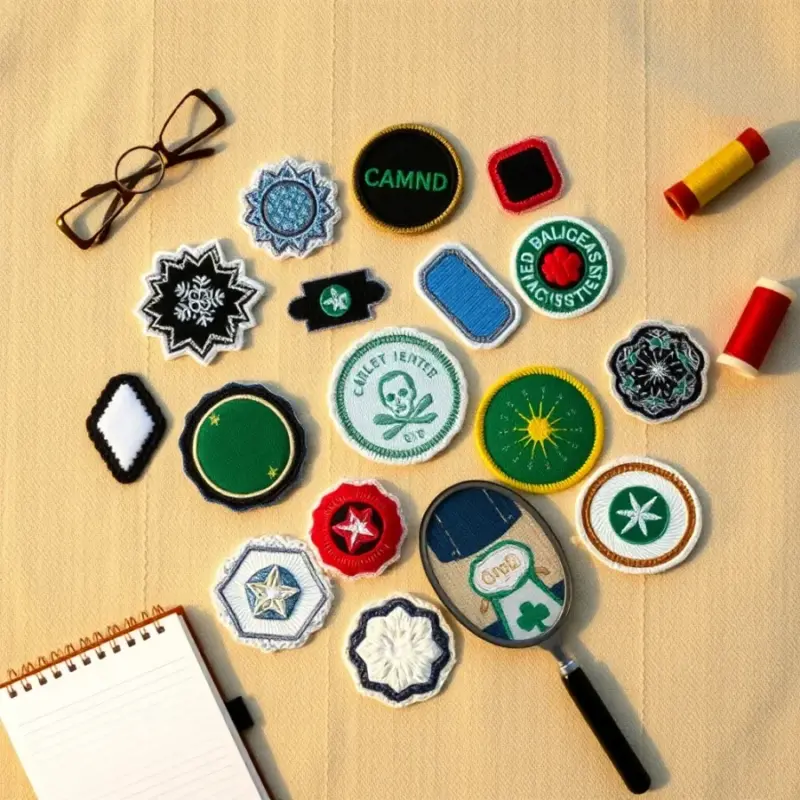
Selecting the ideal clothing patches embroidery solution requires balancing aesthetics, function, and budget. Whether you're outfitting a fire department, launching a streetwear line, or organizing a corporate retreat, the patch must reflect your values while standing up to real-world use. The decision hinges on several key factors: fabric type, size, backing method, and design complexity. Misjudging any of these can lead to peeling, fraying, or a design that fails to communicate at a glance.
Matching Patch Type to Use Case
A paramedic’s uniform demands a patch that survives industrial laundering and exposure to bloodborne pathogens—here, a heavy-duty embroidered patch with a sew-on backing and antimicrobial thread treatment is essential. Conversely, a limited-edition sneaker brand might use a delicate chenille patch with a merrowed edge to evoke nostalgia and exclusivity. Schools often choose personalized sew-on patches for letterman jackets, where tradition and prestige matter more than wash resistance. Meanwhile, event organizers distributing swag at a music festival may prioritize low-cost iron-on embroidered labels that fans can easily apply to denim jackets.
The rise of hybrid work has also boosted demand for subtle, minimalist patches—such as small woven name patches on blazers or tote bags—that signal affiliation without overt branding. In the military and law enforcement sectors, regulations often dictate specific colors, thread counts, and backing types, making compliance a non-negotiable factor. Fashion designers, on the other hand, experiment with 3D puff embroidery, glow-in-the-dark threads, or even conductive fibers for smart clothing integration. The versatility of custom sewn patches means there’s a solution for nearly every need—if you know what questions to ask.
Cost Factors and Production Timelines in 2026
Prices for custom embroidery patches vary widely, from $1.50 per unit for simple designs in bulk to over $12 for complex, multi-layered pieces with specialty finishes. The main cost drivers include stitch count (more stitches = higher labor and thread use), patch size, backing type, edge finishing, and order volume. For example, a 3” x 2” embroidered patch with 5,000 stitches and a merrowed border might cost $2.25 in a 500-unit order, but drop to $0.95 at 5,000 units due to economies of scale.
Production timelines have shortened dramatically thanks to automated digitizing and on-demand embroidery hubs. Standard turnaround is now 7–10 business days, with rush services (3–5 days) available for urgent needs. However, complex designs requiring manual adjustments or exotic materials (like metallic or fire-resistant thread) may extend lead times. Below is a comparative table outlining typical pricing and turnaround based on patch specifications in 2026.
| Patch Type | Size (inches) | Min. Order | Avg. Price per Unit | Turnaround (Days) |
|---|---|---|---|---|
| Woven name patch | 3.5 x 0.75 | 100 | $1.10 | 8 |
| Embroidered patch (merrowed) | 3 x 2 | 250 | $2.50 | 9 |
| Iron-on embroidered label | 2.5 x 2.5 | 50 | $3.00 | 7 |
| Chenille patch | 4 x 3 | 100 | $8.75 | 12 |
| 3D puff embroidery patch | 3 x 1.5 | 200 | $4.20 | 10 |
How to Order Custom Embroidery Patches: A Step-by-Step Guide for 2026
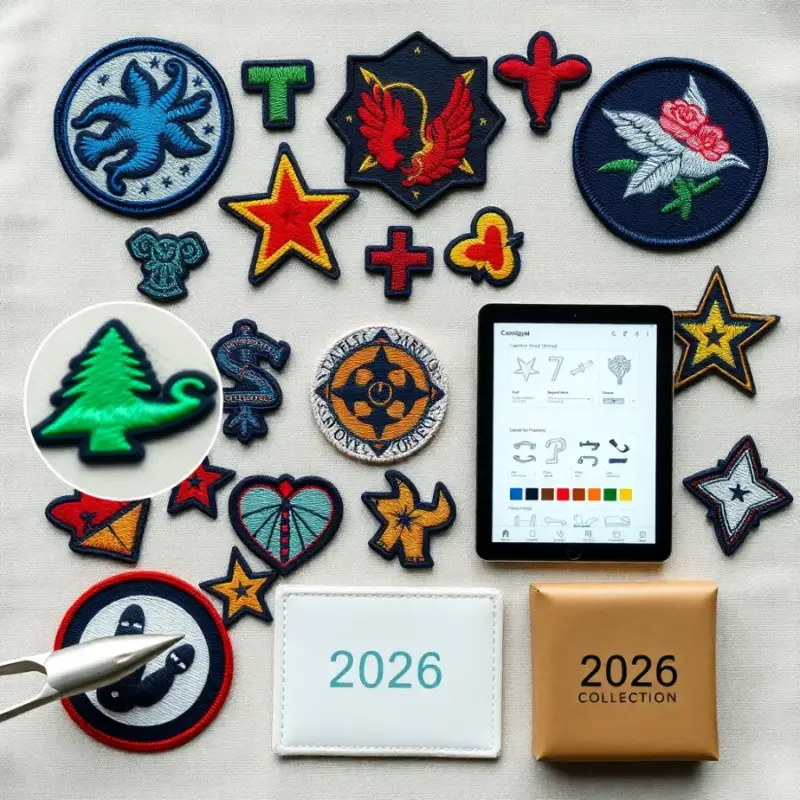
Ordering custom embroidery patches no longer requires navigating a maze of manufacturers and middlemen. With digital platforms and AI-assisted design tools, the process is more accessible than ever—even for first-time buyers. However, skipping key steps can result in misprints, color mismatches, or patches that don’t adhere properly. To ensure a flawless outcome, follow a structured approach from concept to delivery.
Design Preparation and File Submission
The foundation of any successful patch order is a well-prepared design file. Most manufacturers accept vector formats (AI, EPS, SVG) or high-resolution PNGs (300 DPI minimum). Avoid using low-quality JPEGs or screenshots, as they can cause pixelation when digitized. Your design should be clean, with clearly defined colors and no overlapping elements. If your logo has gradients or photorealistic elements, consider whether embroidery can replicate them—or if a hybrid patch with sublimated fabric is better.
- Finalize your artwork: Simplify complex graphics, ensure text is legible at small sizes, and define exact Pantone (PMS) colors for thread matching
- Choose patch dimensions: Most vendors offer templates; stick to standard sizes (2”–4”) unless you have a specific need
- Select edge type and backing: Decide between merrowed, die-cut, or heat-seal based on application method
- Upload to vendor platform: Reputable suppliers will generate a digital mockup within 24 hours
- Request a physical sample: Always order a pre-production patch to verify colors, texture, and size before full production
Top Vendors and Where to Buy in 2026
The market for embroidery patches is crowded, but a few platforms stand out for quality, speed, and customer support. Companies like PatchOutlet, Badges UK, and Sticker Mule have invested heavily in automation and global fulfillment, offering real-time pricing and AI-powered digitizing. For eco-conscious brands, suppliers like Earthly Patches and GreenStitch specialize in organic cotton backings, recycled polyester thread, and plastic-free packaging—appealing to sustainability-driven consumers.
Niche providers also cater to specific industries. For example, TacticalNametapes.com focuses on military-spec woven name patches with IR-compliant threads, while HatLife excels in custom hat embroidery for influencers and lifestyle brands. Platforms like Etsy remain popular for small-batch, artisan-made patches, though quality can vary. When choosing a vendor, check reviews, request swatch kits, and confirm whether they offer color correction services or free design assistance. In 2026, the best suppliers combine cutting-edge tech with human oversight to deliver precision and consistency across every batch.
Creative and Commercial Applications of Personalized Sew-On Patches
Far beyond uniform insignia, personalized sew-on patches are now a dynamic tool for storytelling, marketing, and personal expression. Brands leverage them to create emotional connections, while individuals use them to curate identity. In retail, limited-edition patches drive exclusivity and collectibility—think Supreme or Palace dropping seasonal designs. In corporate culture, they reinforce values: a “Zero Incidents” safety patch motivates workers, while a “10 Years of Service” badge honors loyalty.
Branding and Marketing with Embroidered Patches
Custom patches offer a unique advantage in brand recall: they are durable, tactile, and often displayed prominently. A study by the Advertising Specialty Institute (2025) found that 72% of consumers could recall the brand on a patch they’d seen, compared to 58% for printed logos. This is partly because patches are noticed, touched, and remembered—they invite interaction. Companies now embed QR codes into patch designs, linking to digital experiences, loyalty programs, or AR content when scanned.
Event marketing has also embraced patches. Music festivals like Coachella and Lollapalooza distribute collectible embroidered patches as VIP perks, creating shareable moments on social media. Nonprofits use them to signify participation in charity runs or awareness campaigns (e.g., pink ribbons for breast cancer). In B2B, service technicians wear company-branded patches that act as mobile advertisements—every vehicle they service becomes a billboard. These applications prove that a small piece of fabric can carry outsized brand equity.
Fashion, Subcultures, and Self-Expression
The resurgence of vintage aesthetics has propelled clothing patches embroidery into mainstream fashion. Designers like Martine Rose and Yohji Yamamoto integrate oversized, asymmetrical patches into haute couture collections, blurring the line between rebellion and refinement. Streetwear brands use patches to denote drops, collaborations, or membership in exclusive clubs—often releasing them in blind boxes to fuel hype.
Subcultures have long claimed patches as identity markers. Punk jackets adorned with political slogans, biker vests covered in club insignia, and fandom gear plastered with anime characters—all rely on the democratizing power of DIY customization. In 2026, online communities like Reddit’s r/patchcollectors and Instagram hashtags like #PatchLife celebrate curation and craftsmanship, turning personalization into a global movement. Whether commemorating a life event or declaring allegiance, iron-on embroidered labels and sewn patches remain one of the most intimate forms of wearable art.
More Information
How do I order personalized embroidered patches for my team uniforms?
You can easily create personalized sew-on patches with your team’s logo or name by uploading your design to a patch manufacturer. These custom sewn patches can be tailored in shape, size, and backing type for seamless integration into uniforms.
What’s the difference between embroidered and woven name patches?
Embroidered patches are stitched with thread for a textured, durable finish, ideal for detailed logos, while woven name patches offer a flatter, smoother look often used for text-based designs. Both are excellent choices depending on your desired aesthetic and application.
Can I use iron-on embroidered labels for clothing repairs?
Yes, iron-on embroidered labels are a convenient option for quickly repairing or customizing garments without sewing. They adhere well to most fabrics, though for long-term durability, additional stitching enhances the bond of clothing patches embroidery.
Is custom hat embroidery suitable for outdoor gear and caps?
Absolutely—custom hat embroidery adds a professional, polished touch to caps and outdoor headwear. These embroidery patches resist wear and weather, making them ideal for branding or personalization on rugged or everyday gear.
Leave a Reply