
Embroidery Machine Costs: Prices & Factors
Choosing an embroidery machine isn’t just about picking a model. It’s about balancing precision, speed, and long-term cost. Many buyers underestimate hidden expenses—software, maintenance, thread waste. A machine that stitches fast may wear out quicker. One with great specs might lack support. The upfront price is only part of the story. Real cost hides in daily operation.
Yet clarity is possible. Advances in digital embroidery machines have made pricing more transparent. Built-in analytics track thread use. Open-source software cuts licensing fees. Used needlework machines now come with verifiable histories. Even small studios can access industrial-grade stitching machines. The market adapts. Smart buyers adapt with it.
How much does an embroidery machine really cost in 2026?
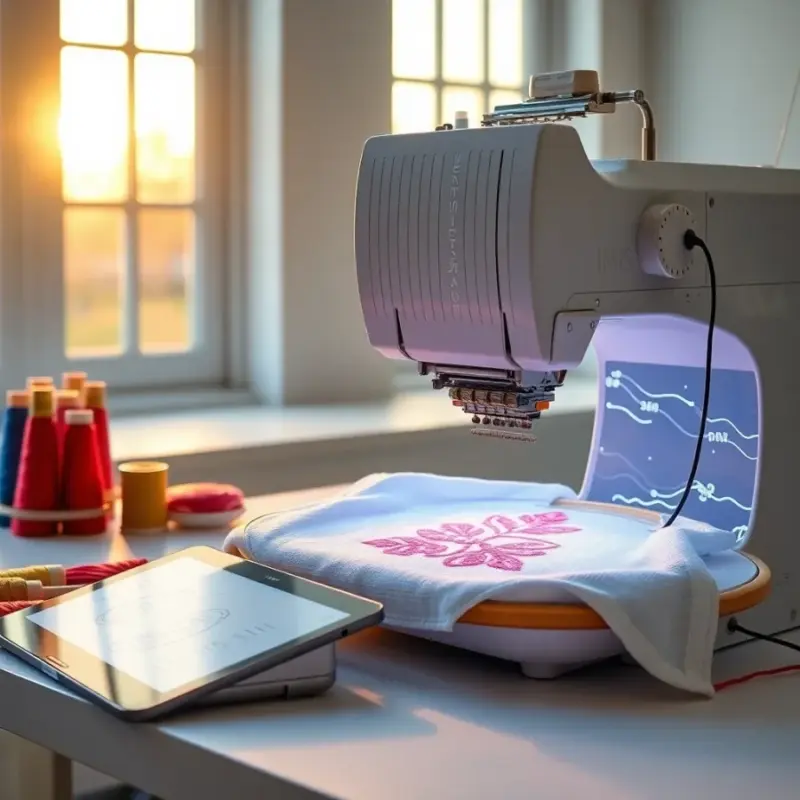
In 2026, the cost of an embroidery machine can vary dramatically, from under $300 for basic home models to over $30,000 for multi-head industrial units. For entrepreneurs, small workshops, or embroidery enthusiasts, understanding this range is essential for planning a realistic budget. Prices reflect not only the power and speed of the device but also its automation capabilities, software compatibility, and durability. While an entry-level digital embroidery machine may be sufficient for personal projects, a professional stitching machine requires a significant investment, especially when considering accessories, maintenance, and technical training. Below, we break down the key components that make up the total cost of acquiring and operating this equipment in today's market.
Cost of main equipment
The price of the main device is, of course, the most visible component of the budget. In 2026, home embroidery units, designed for occasional or semi-professional use, ranged on average from $280 to $1,200. Popular models like the Brother SE1900 or the Janome Memory Craft 14000 offered touchscreens, USB connectivity, and the ability to handle up to 12 threads, justifying their position at the higher end of this segment. On the other hand, industrial needlework machines—such as those from brands like Melco, Tajima, or Barudan—started at $4,500 for a single-head unit and could exceed $30,000 for 15-head systems with network control and integrated software. These machines are designed for high-volume production, with speeds exceeding 1,200 stitches per minute (spm).
The cost varies depending on factors such as the number of needles, hoop size, maximum speed, and CAD/CAM software connectivity. Digital embroidery machines with integrated artificial intelligence for detecting thread tension or adjusting patterns in real time can increase the price by 20-30%. Additionally, machines with energy-efficient certification or made from recycled materials tend to have a 10-15% surcharge, although some countries offer tax benefits. Buying directly from the manufacturer or through authorized distributors also affects the final price, as extended warranties and initial technical support may or may not be included.
Additional accessories and tools
Purchasing an embroidery machine doesn't end with the machine itself. The necessary accessories can increase the initial budget by 15-25%. Among the most essential are hoops of different sizes (from 4x4 to 12x16 inches), extra bobbin cases, precision scissors, embroidery scissors, special lubricants, and needle punches. A complete set of interchangeable hoops can cost between $120 and $350, depending on the brand and material (aluminum vs. reinforced plastic). Special needles for delicate or heavy fabrics cost an average of $1.50 each, and it's recommended to replace them every 8-10 hours of continuous use.
For those working with technical materials—such as coated polyester or stretch blends—it's necessary to invest in specialized presser feet, high-density stabilizers, and feed rollers. These items can add up to between $200 and $600, depending on production volume. One strategy to reduce this expense is to purchase starter kits that include multiple accessories at a combined price. For example, many brands offer "professional starter" packages valued between $180 and $400 that include frames, basic software, bobbins, and lubricants—saving up to 30% compared to buying them individually.
Software, training and technical education
Design and control software is a critical component of the total cost of a stitching machine. By 2026, many models will require specialized software to convert designs into DST, PES, or EXP files. Licenses can range from $99 (basic versions like Embrilliance Essentials) to $2,500 for professional suites like Wilcom E4 or Pulse Signature, which allow for advanced editing, 3D simulation, and networked production management. Some brands include limited software with the purchase, but with locked features that require payment to unlock (freemium model).
Furthermore, technical training—whether in-person or virtual—is a necessary investment, especially for industrial machinery. Official courses in basic operation and maintenance cost an average of $350 to $700 per person, while advanced training in pattern programming or troubleshooting can exceed $1,200. Many users underestimate this expense, resulting in operational errors, premature wear, or downtime. A detailed breakdown of associated costs by category is provided below:
| Category | Minimum cost | Average cost | High cost |
|---|---|---|---|
| Domestic (1 needle) | $280 | $650 | $1,200 |
| Semi-industrial (1-2 heads) | $1,800 | $3,200 | $5,500 |
| Industrial (4-6 heads) | $6,000 | $11,000 | $16,000 |
| High-volume industrial (12+ printheads) | $18,000 | $24,000 | $32,000 |
| TOTAL | $26,380 | $38,850 | $54,700 |
Factors that affect the price of embroidery devices
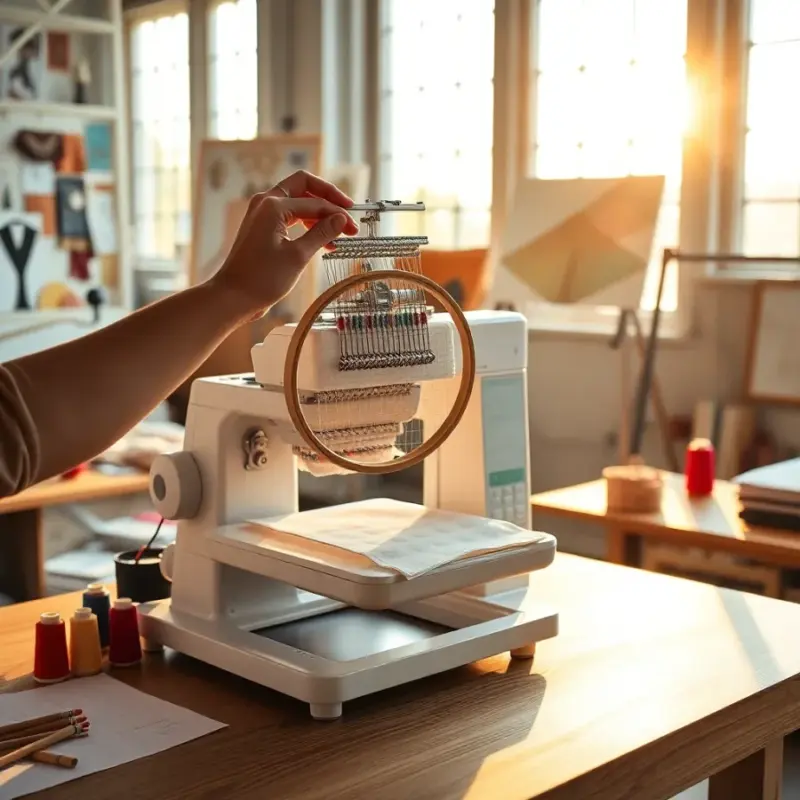
The cost of an embroidery machine isn't fixed: multiple variables influence its final price. From the region of purchase to the distribution channel, every decision impacts the outlay. Understanding these factors allows you to anticipate fluctuations and take advantage of savings opportunities without sacrificing quality. Below, we analyze three key elements that determine why two identical digital embroidery machines can have very different prices.
Equipment origin: new, refurbished, or used
The condition of the machine is one of the most influential factors in its price. In 2026, a new, mid-range needlework machine (such as a Brother PR1055X) costs around $3,800. The same unit, refurbished by the manufacturer, with a 12-month warranty and inspected components, is offered for between $2,200 and $2,800—a savings of 25–40%. Used machines, sold by individuals or small workshops, can be found for as little as $1,200, but with a high risk of hidden wear and tear or lack of technical support.
Leading brands like Melco and Barudan offer official refurbishment programs that include gasket replacement, laser calibration, and firmware updates. These processes guarantee performance close to 95% of new equipment, making them an ideal option for those seeking a balance between cost and reliability. However, it's crucial to check the usage history: an embroidery unit that has operated for 8,000 continuous hours will have more wear and tear than one with 3,000 hours, even if it appears to be in good condition. In this regard, machines with a digital hour meter (like the Tajima TFMX-850 models) offer valuable transparency.
Geographic location and tariffs
The country where a stitching machine is purchased can affect its price by up to 35%. In the United States and Canada, tariffs on machinery imported from China or Vietnam (where more than 70% of the market is manufactured) range from 7% to 15%, depending on the model and value. For example, a $5,000 digital embroidery machine could incur $600 in customs duties, plus $180 in shipping costs. In the European Union, a 20% VAT is applied to the total value, including shipping, which increases the final cost in countries like Germany or France.
In contrast, countries like Mexico and Colombia have signed trade agreements that reduce or eliminate tariffs on textile machinery, allowing for prices up to 12% lower. Furthermore, regions with free trade zones (such as the Caribbean and Central America) offer competitive prices by avoiding local taxes. Buying locally also avoids customs delays, which in 2026 remain common due to post-pandemic health and logistical controls. A shipment from China can take between four and six weeks, with the risk of damage or loss.
Shopping season and promotions
The time of year you buy an embroidery machine can make a big difference. In 2026, major industry trade shows—such as ITMA in Barcelona and ISSMA in Las Vegas—trigger waves of promotions. During these events, brands like Brother, Janome, and Singer offer discounts of 15-25% on select models, along with free software bundles or free shipping. Furthermore, January and July are key months: after the holiday and summer seasons, many retailers clear out inventory to make room for new models.
- Planning your purchase during trade shows or sales can save you hundreds of dollars.
- Buying an older (but still functional) model instead of the latest release reduces costs without sacrificing performance.
- Choosing local dealerships with loyalty programs or interest-free financing offers more economical alternatives to paying in full upfront.
How to reduce the cost of an embroidery machine: real strategies
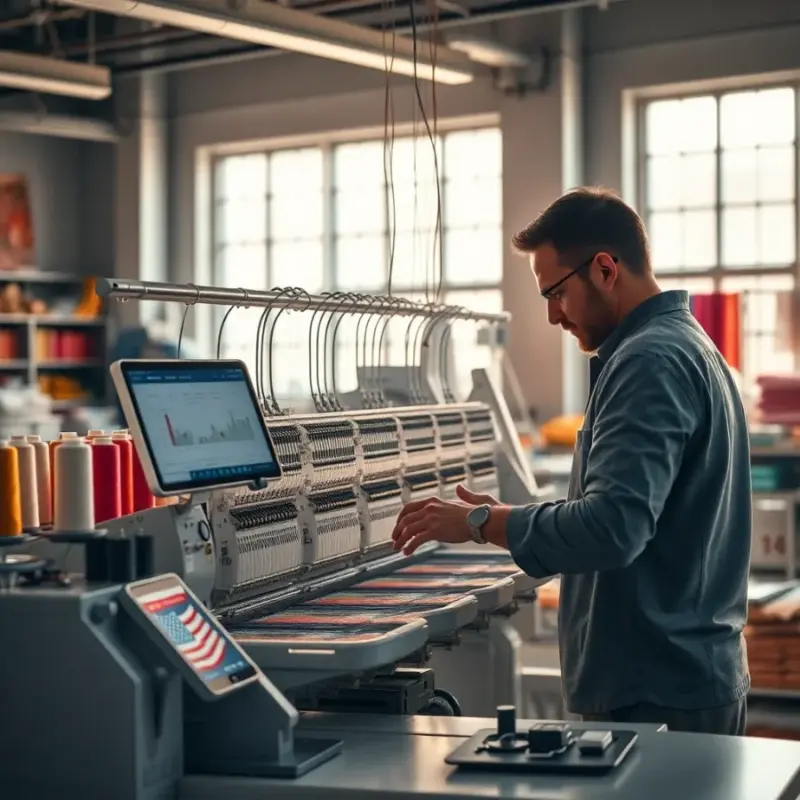
Reducing the cost of an embroidery machine doesn't mean compromising on quality, but rather planning wisely. In 2026, with prices constantly evolving, savvy buyers combine research, negotiation, and taking advantage of incentives. From leasing to group buying, there are proven strategies that can reduce the initial outlay by 30% or more, without sacrificing functionality or durability.
Financial lease (leasing)
Leasing is one of the most effective strategies for reducing the initial cost of an embroidery machine. Instead of paying $12,000 for an industrial machine, many suppliers offer 36-month lease plans with monthly payments of $290 to $380. This often includes basic maintenance, insurance against breakdowns, and an option to purchase at the end of the contract. For example, Barudan America offers plans with annual percentage rates (APRs) as low as 4.9%, allowing small workshops to access $20,000 worth of equipment with only a 10% down payment.
A real-life example from Austin, Texas: an entrepreneur who opened a custom embroidery workshop in 2026 leased a 6-head stitching machine for $320/month. After 18 months, she had already recouped her investment through orders and opted to purchase the machine for $6,000 (40% of its new value). Furthermore, leasing allows the monthly payment to be deducted as an operating expense on tax returns, reducing the annual tax burden. This model is ideal for those who lack initial capital but have a solid income projection.
Group or cooperative purchase
Group buying is another powerful tactic. In 2026, platforms like StitchCollective and Embroidery Hub facilitated the creation of purchasing cooperatives among small producers. By pooling demand, groups can negotiate discounts directly with manufacturers. For example, a group of eight artisans in Colombia managed to purchase eight Melco EMT7X digital embroidery machines at a 22% discount, saving over $10,000 in total. Some distributors even offer one free machine for every ten purchased as a group.
This strategy also applies to software: multiple licenses for programs like Wilcom or Pulse are offered with tiered discounts. A single license costs $2,500, but a license for 5 users can cost $9,500 (a 24% savings). In addition, cooperatives often receive free training or consolidated shipping, reducing logistics costs.
Repair and preventive maintenance
Inadequate maintenance is a leading cause of premature failures and early replacement costs. A well-maintained needlework machine can last 10-15 years; a neglected one, barely 3-5. By 2026, average repair costs for mechanical failures (such as a burnt-out motor or damaged control board) range from $400 to $1,200. However, a preventive maintenance program—including weekly cleaning, monthly lubrication, and quarterly calibration—reduces these failures by 70%.
- Establish a maintenance schedule based on usage hours (e.g., cleaning every 20 hours).
- Invest in diagnostic tools such as vibration sensors or mobile apps that monitor wear.
- Sign an annual service contract with your dealer, which typically costs between $300 and $800 but prevents costly repairs.
More Information
What is the difference between a sewing machine and an embroidery machine?
A sewing machine joins fabrics with functional stitches, while an embroidery device adds decorative designs using programmed patterns. A digital embroidery machine automatically guides the fabric under the needlework machine to create intricate artwork.
Can I use any fabric with an embroidery unit?
Most fabrics work with an embroidery unit if stabilized properly, but lightweight or stretchy materials may require backing for support. Always test on a scrap before running the full design on your stitching machine.
How do I maintain my needlework machine for long-term use?
Clean lint and dust regularly from the bobbin area and keep the embroidery device lubricated as recommended by the manufacturer. Proper storage and occasional professional servicing extend the life of your digital embroidery machine.
Do I need special software for my embroidery machine?
Yes, many designs require editing or converting through software compatible with your embroidery unit. This allows you to customize patterns before sending them to the stitching machine for execution.
Leave a Reply